EU rules on food labelling
Summary: The EU has rules that ensure that consumers get essential information about food to enable them to make informed choices.
The main piece of legislation on food labelling is contained in Council Directive 2000/13/EC. It requires labelling to contain information about the composition of the product, the manufacturer, methods of storage and preparation.
 |
|
All ingredients have to be listed on the label including allergens such as peanuts, milk, mustard and fish.
In the case of beef, the label must contain information about the place of fattening, slaughter and cutting and also where the animal was born and reared.
In the case of chocolate the label must indicate whether vegetable fats other than cocoa butter are present or not present.
The Directive prohibits the attribution to any foodstuff of properties of preventing, treating or curing a human disease.
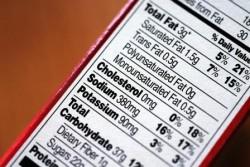
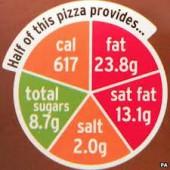
The EU is revising rules on labelling to ensure information is more clearly and legibly displayed. To help consumers towards a healthy diet, it is also proposing that energy, fat, saturated fat, carbohydrates, with specific reference to salt and sugar content be displayed prominently on the front of the packet.
Click for more information on EU food labelling


