|


Summary: The EU has adopted common minimum standards for housing and caring for animals in zoos and for protecting endangered species.
The objective of the Directive 1999/22/EC of March 29, 1999 is to ensure live animals in European zoos are kept in acceptable conditions.
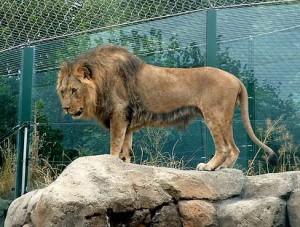
Animals in captivity are part of our environmental heritage and their keeping in zoos must be regulated to ensure the preservation of species, supported by education and scientific research.
A zoo is defined as an establishment where live animals are kept with a view to public display for seven days or more per year. The definition excludes circuses and pet shops.
A zoo has to be licensed. Licences are valid for four years and renewable.
All zoos are required to:
- Keep animals in a manner that satisfies their biological needs within a veterinary care programme
- Prevent certain animals from escaping
- Maintain a register of zookeepers
- Provide public education on the species and their natural habitats
- Participate in research on conservation of species.
A zoo is subject to inspection before a licence is granted, modified or extended.
For more information on the regulation of zoos see:
keeping of wild animals in zoos
 Factsheet