|
Population 5.09 million (estimate at July 2013)
Life expectancy at birth: 77.8 years (male), 83.3 years female (2013 data)
Ethnic groups – Norwegian 94.4% (includes Sami, about 60,000), other European 3.6%, other 2% (2007 estimate).
Language – Riksmål (or Bokmål) (official Norwegian), Nynorsk ("new" Norwegian, official), small minorities use Sami or Finnish languages.
Religion – Church of Norway (Lutheran) 85.7%, Pentecostal 1%, Roman Catholic 1%, other Christian 2.4%, Muslim 1.8%, other 8.1% (data from 2004).
Education expenditure: 7.3% of GDP (2009)
Youth unemployment (ages 15-24): 8.6%
|
The Sami
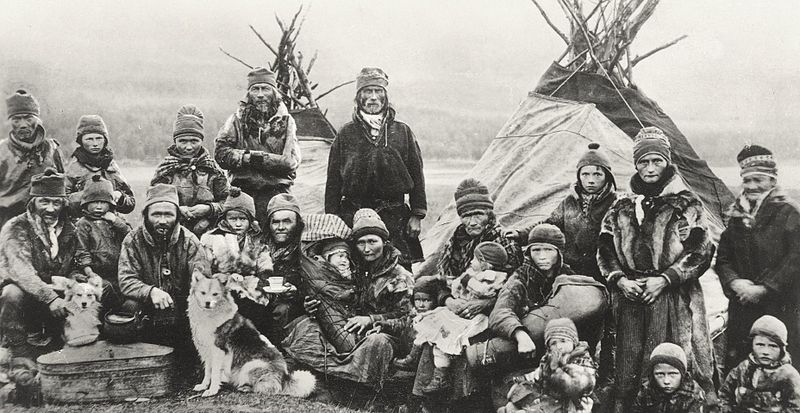
The Sami people, also spelled Sámi or Saami, are the indigenous Finno-Ugric people inhabiting the Arctic area of Sápmi, covering far northern Norway, Sweden, Finland and the Kola Peninsula of Russia. The first known historical mention of the Sami, naming them Fenni, was by the Roman historian Tacitus, about AD 98. The Sami people are sometimes referred to as Lapps, but prefer to be called Samis. Their culture has been developing in northern Scandinavia since the arrival of the first people 11,000 years ago. Their best-known means of livelihood is semi-nomadic reindeer herding. Today reindeer herding is still central to Sami culture, and crucial to their subsistence, providing meat, fur and transportation.
The Sami capital is Karasjok with almost 3,000 inhabitants, base of the Sami Parliament of Norway, and of some 60,000 reindeer which spend the autumn and winter months in Karasjok.
|
|


