| Literature: |
* A rich range of poetry and novels, but little has been translated into other languages
* Imre Kertész won the 2002 Nobel Prize for Literature
* British novelist Arthur Koestler was born in Hungary (as Kösztler Artúr) - Darkness at Noon |
| Composers: |
* Ferenc Liszt, Ernö von Dohnányi in the Austrian tradition.
| * Béla Bartók and Zoltán Kodály collected traditional Hungarian folk music and their own music was strongly influenced by it.
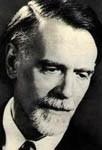
Kodály
|
 |
* Two contemporary composers are György Ligeti and Péter Eötvös.
* Miklós Rózsa emigrated to the USA and wrote much film music - Ben‑Hur the best known.
|
| Cooking: |
* Hungarian cuisine is world famous. Traditional dishes include goulash (gulyás) and a river-fish soup called halászlé. Dishes are often flavoured with hot paprika and softened with a thick sour cream called tejföl. |
| Drinks: |
* Six wine regions with many individual wines – Kékfrankos (red), Olaszrizling, Hárslevelu (white), Tokaj (dessert), Egri Bikavér ("Bull's Blood" of Eger), Unicum (bitter liqueur). Traditional fruit brandies are varieties of pálinka. |
| Ceramics: |
* Herend is one of the world's largest ceramic factories, specialising in hand-painted luxury porcelain.
|
| Dance: |
Genuine traditional dancing has continued in villages, and has become popular with young people in the cities. Csárdás - many different styles with embroidered costumes and energetic music, from intricate male bootslapping dances to the ancient women's circle dances. The verbunkos is a solo man's dance originating from military recruiting. |
| Underground: |
The Földalatti is continental Europe's oldest underground railway, now Metró line 1 in Budapest. |
Spas: |
* Gellért Baths in Buda
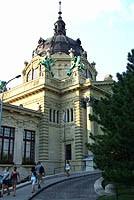
* Széchenyi-gyógyfürdo – the largest medicinal bathing complex in Europe, in Pest.
* Thermal lake of Hévíz - largest biologically active, natural thermal lake in the world, containing sulphur, radium and other minerals, with a 2000 year history. |
 |


